Introduction
Protecting your home in 2026 is smarter, simpler, and more affordable than ever. The best smart home security system 2026 is no longer just a camera and an alarm, it is a connected, AI-driven setup that watches your home, learns your routines, and alerts you to real threats without crying wolf. Whether you are in the USA, Canada, the UK, or Europe, there is a system on this page built for your home and your budget. Browse the products below, compare what matters to you, and buy with confidence.
What to Look for Before You Buy
Every home is different, so before you scroll through our products, here are the four things that actually determine whether a security system is right for you.
1. AI Detection vs Basic Motion Alerts
Older systems trigger on anything that moves, a passing car, a blowing leaf, your cat. A modern AI-powered home security system tells the difference between a person, a vehicle, and a false alarm. If you want notifications that mean something, look for systems with on-device or cloud AI detection. It cuts alert fatigue overnight.
2. Wired vs Wireless Cameras
The best wireless home security camera system gives you flexible placement with no drilling and no cable runs. Today’s wireless systems use encrypted dual-band Wi-Fi and hold a strong, stable connection. For most homes, wireless is the right call. Wired is only worth considering if you are building from scratch and want zero battery management.
3. Monthly Subscription or No Subscription
Some systems require a plan to unlock features like cloud storage, AI detection, or professional monitoring. Others, like local-storage systems, are a genuine wireless security system for home without subscription. There is no right answer here. If you want 24/7 monitored home security with someone dispatching emergency services on your behalf, a monitoring plan earns its cost. If you are comfortable managing alerts yourself, self-monitoring costs nothing.
4. Smart Home Compatibility
The best systems do more than record video. A strong smart home automation security setup connects your cameras, doorbell, locks, and lights into one routine. Check that your system works with Amazon Alexa, Google Home, or Apple HomeKit, whichever platform you already use. A system that plays well with your existing devices is far more useful than one that operates in isolation.
Top Smart Home Security Cameras & Doorbells
View All Products


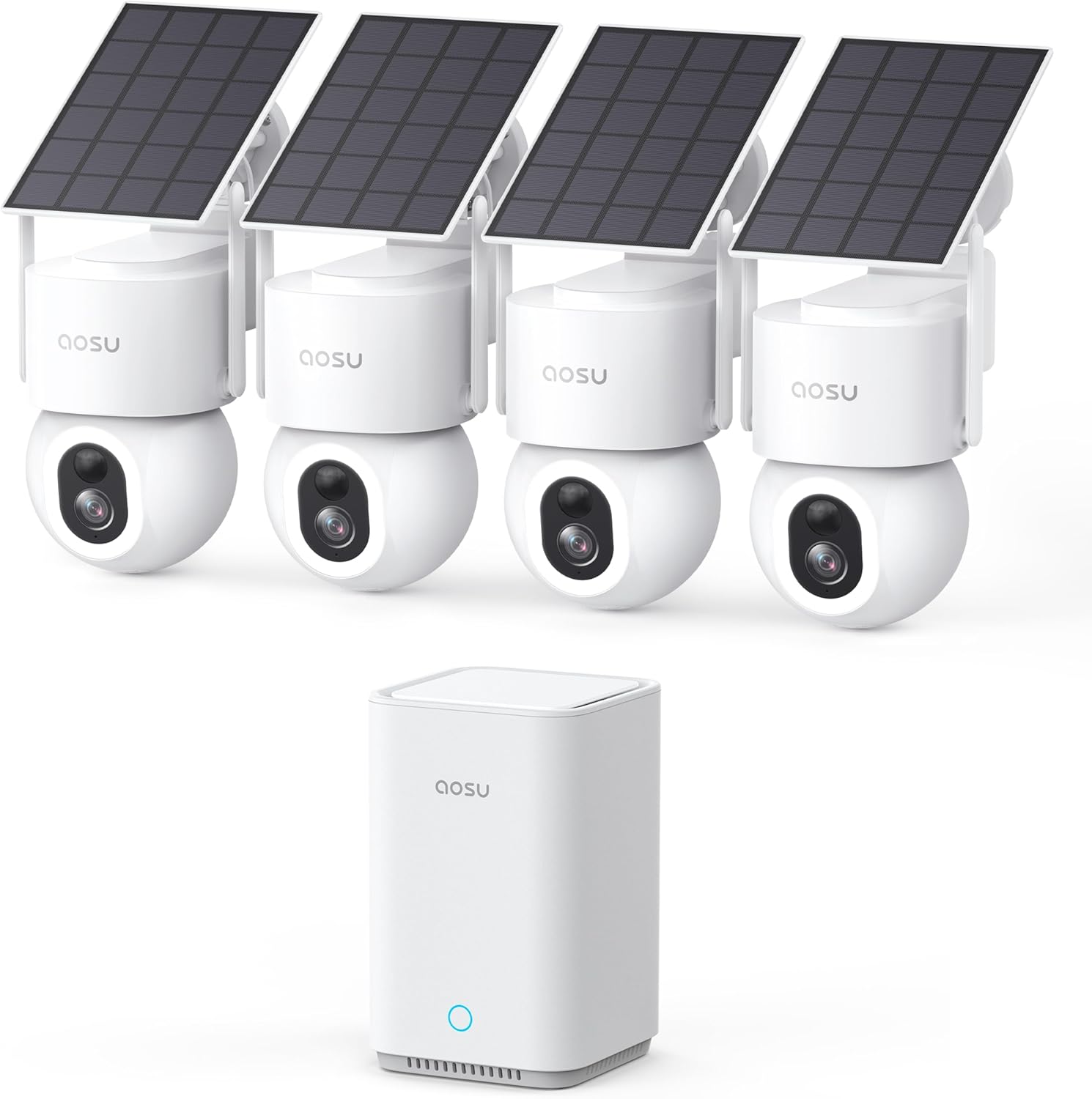

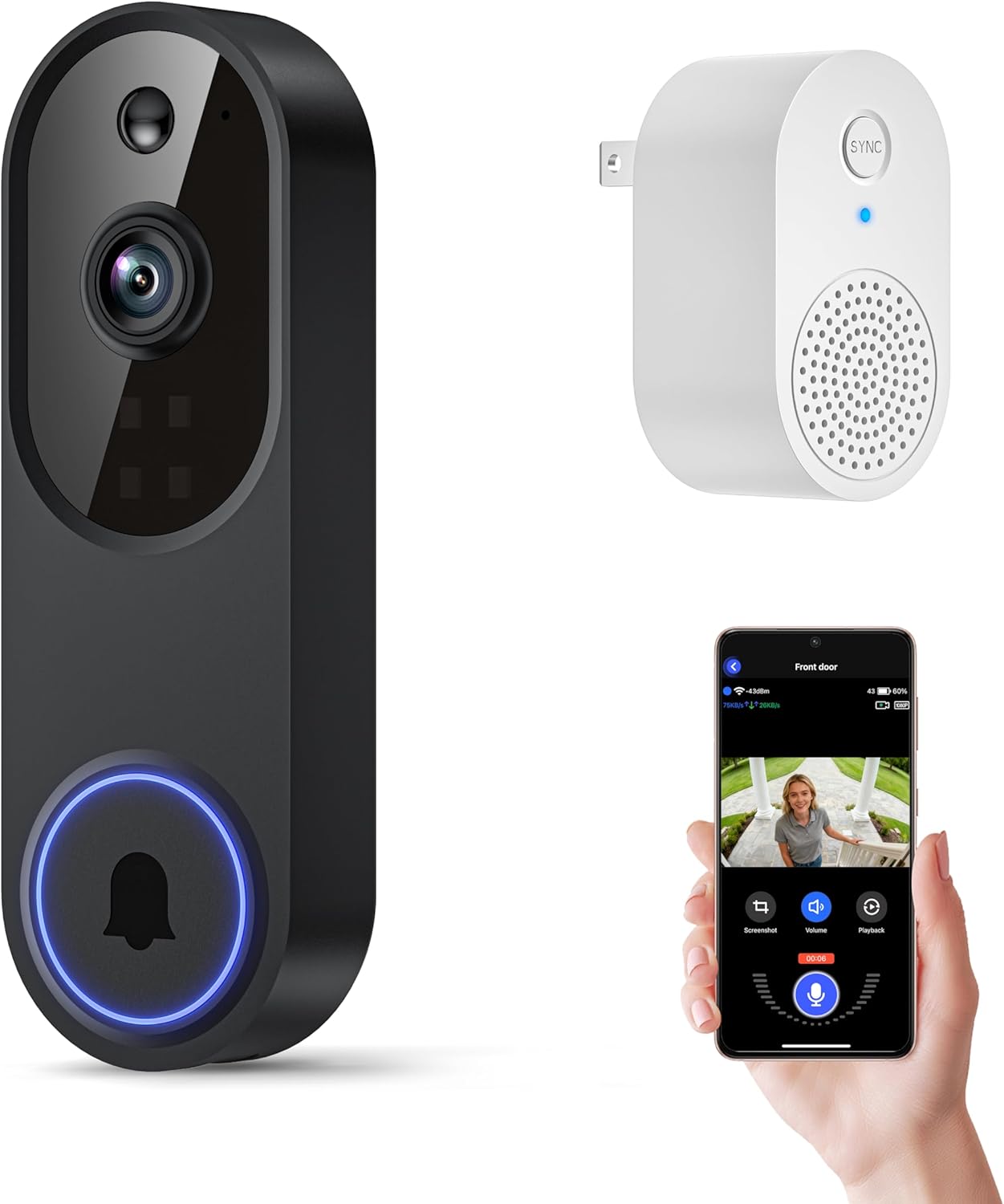
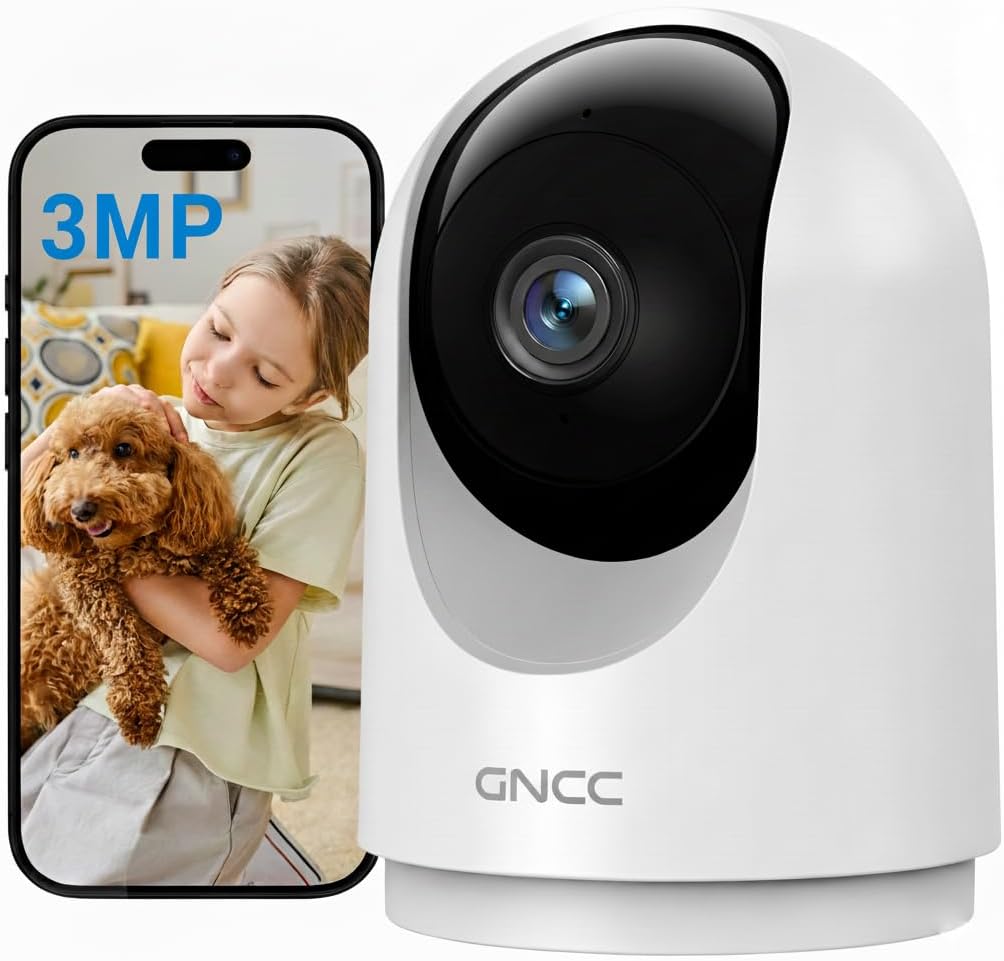
Types of Smart Home Security Systems
Not all systems are built the same way. Here is a quick look at the main types available so you can match the right format to your home.
Smart Home Alarm System with Cameras
This is the most complete setup. A central hub manages sensors on your doors and windows, motion detectors inside your home, and cameras covering the exterior. A smart home alarm system with cameras gives you both deterrence and evidence. If someone tries to enter, the alarm triggers and the cameras capture everything. This is the right choice for families and anyone who wants whole-home coverage.
Standalone Camera Systems
If you just want to monitor your property visually without a full alarm setup, standalone camera systems, particularly an advanced smart home surveillance system, work well. You get live video, motion alerts, and recorded clips without the complexity of a full sensor network. Good for renters, apartments, or as a starting point before expanding.
Smart Doorbell and Camera Bundles
The best smart doorbell and camera system combines a video doorbell at your front entrance with one or more outdoor cameras covering the driveway or garden. This is the most popular entry point for first-time buyers. It covers the area where most home security incidents actually happen, the front of your property, and connects to your phone so you can see and speak to whoever is at the door from anywhere in the world.
DIY vs Professionally Installed
Almost every system on this page supports DIY smart home security system installation. Adhesive mounts, QR-code pairing, and guided apps make setup achievable in an afternoon. Professional installation is rarely necessary for residential setups and adds significant cost. We recommend starting with DIY, if you get stuck, customer support from every major brand is responsive and helpful.
Key Features Explained
These are the specific features worth comparing as you browse products. Understanding them takes the guesswork out of choosing.
Mobile App Control
Every system worth buying includes a home security system with mobile app control. Look for apps that load a live view in under three seconds, send motion alerts with a video clip attached, and let you arm or disarm your system remotely. Test the app reviews in the App Store or Google Play before you buy, a poor app makes a good camera frustrating to use.
24/7 Professional Monitoring
With 24/7 monitored home security, a trained operator receives your alarm trigger and contacts you to confirm. If they cannot reach you, or if the threat is confirmed, they dispatch police, fire, or medical services. This matters most for households that are frequently empty during the day or where response time could be critical.
Local Storage vs Cloud Storage
Cloud storage keeps your footage on a remote server, accessible from anywhere but typically tied to a monthly subscription. Local storage saves footage directly to a drive in your home. A wireless security system for home without subscription usually uses local storage. Both are secure when implemented correctly. Local storage gives you more privacy control; cloud storage gives you access to footage even if your hardware is stolen.
Night Vision and All-Weather Recording
A camera that produces clear footage in daylight but turns grainy at night leaves you unprotected when most intrusions happen. Look for colour night vision (not just black-and-white infrared) and an IP65 or higher weather resistance rating if the camera will be mounted outdoors. These details separate reliable cameras from unreliable ones.
Professional Monitoring vs Self-Monitoring: Which Is Right for You?
This is the question most buyers spend the most time on. Here is a direct answer.
Choose professional monitoring if your home is often empty, if you travel regularly, or if local emergency response times concern you. A monitored system acts even when you are asleep, in a meeting, or off the grid. Most plans cost between $10 and $50 per month and include cellular backup so the system stays connected even during a power or internet outage.
Choose self-monitoring if you are usually reachable on your phone, want to keep costs down, and are comfortable deciding whether to call emergency services yourself. A wireless security system for home without subscription in self-monitoring mode is entirely capable, you just become the first responder rather than a monitoring centre.
Neither choice is wrong. The best smart home security system for your home is the one that fits how you actually live.
Building a Complete Smart Home Security Setup
A security system works harder when it connects with the rest of your home. Here is how a smart home automation security setup typically comes together.
Start with your entry points. A smart doorbell at the front and a camera covering the back give you visibility on the two places most intruders use. Add door and window sensors so you know the moment any entry point opens. From there, indoor cameras or motion sensors add a layer inside the home. Finally, connect everything to your existing smart home platform so you can arm your system, check cameras, and receive alerts all in one place.
The most capable advanced smart home surveillance system setups also include automation rules, for example, exterior lights that turn on automatically when a camera detects a person after dark, or a lock that confirms it is secured when you arm the alarm. These routines are easy to set up and make your home genuinely proactive rather than reactive.
Explore More Options
View All Products
Frequently Asked Questions
What is the best smart home security system in 2026?
The best system depends on your priorities. For AI accuracy, look for systems with on-device person and vehicle detection. For zero monthly fees, choose a local-storage system. For professional backup, pick a system with a 24/7 monitoring plan. Browse the products on this page filtered by the feature that matters most to you.
Can I get a good system without paying a monthly fee?
Yes. Several systems on this page are a complete wireless security system for home without subscription. They store footage locally, run AI detection on-device, and send app alerts for free. You give up professional monitoring but keep full control of your footage and your costs.
Is wireless as reliable as wired?
For homes, yes. The best wireless home security camera system in 2026 operates on encrypted dual-band Wi-Fi with battery backup. The only scenario where wired has a clear edge is large commercial properties where cable runs are practical and battery management at scale becomes a concern.
Can I install it myself?
Every system on this page supports DIY smart home security system installation. Adhesive mounts and guided app setup mean most people finish in under two hours. No tools or technical knowledge required for the standard configuration.
What is the difference between AI detection and standard motion detection?
Standard motion detection triggers on any movement. An AI-powered home security system identifies what caused the movement, a person, a vehicle, an animal, and only alerts you when it matches your criteria. The result is far fewer false alarms and notifications that are actually worth your attention.
Which systems work with Amazon Alexa, Google Home, and Apple HomeKit?
Most systems on this page support at least one major platform. Check the product detail page for compatibility. If you use Apple devices throughout your home, prioritise systems with HomeKit support. For Amazon Echo or Google Nest households, compatibility is nearly universal across current systems.
Do these systems work in the UK and Europe?
Yes. All systems featured on this page are available in the USA, Canada, UK, and Europe. European buyers should note that local-storage systems are particularly popular due to GDPR data protection preferences, since no footage leaves your home.
What does 24/7 monitored home security actually include?
A trained operator receives your alarm trigger, attempts to contact you, and dispatches emergency services if needed. Better plans include cellular backup so monitoring continues even if your internet or power goes down. Plans typically start from around $10 per month.